When was the last time you used share buttons?
User ExperienceTraditional social share buttons (Facebook, X/Twitter, LinkedIn, etc.) are obsolete. Instead, people typically copy the URL manually or use their device's native share menu.
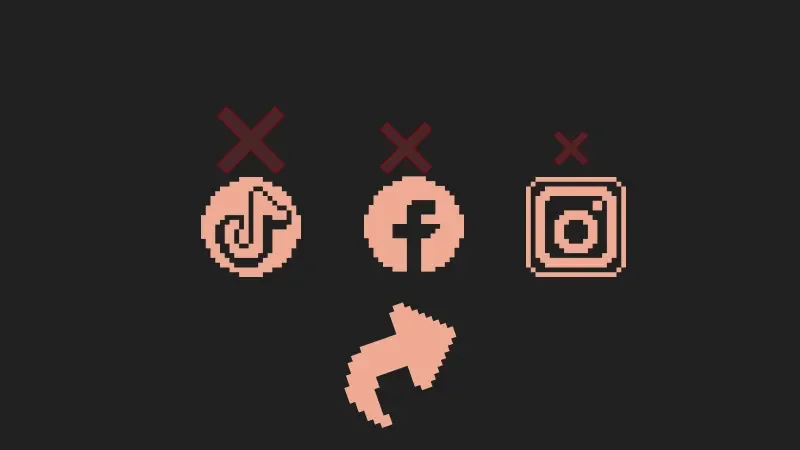

- 01
Research and website analytics show that only a small percentage of users click dedicated Facebook, X, or LinkedIn share buttons, making them less valuable than they once were.
- 02
Instead of using platform-specific buttons, people often copy a link and share it through messaging apps, email, or social platforms of their choice.
- 03
Multiple social icons can create visual clutter, distract users from the main content, and take up valuable interface space without providing significant benefits.
- 04
Many traditional share buttons depend on external scripts that can increase page load times and introduce tracking concerns
- 05
A simple Copy Link option combined with native device sharing provides a cleaner, faster, and more user-centered approach.
Social share buttons have been a common feature on blogs and websites for years, allowing users to share content directly to platforms such as Facebook, X, and LinkedIn. However, user behavior has changed, and these buttons are no longer widely used.
Modern users usually share content by copying links or using built-in sharing features on their devices. These methods provide more flexibility because users can choose where and how they want to share the content.
From a UX perspective, websites should move away from adding multiple social icons and focus on simpler sharing interactions. A Copy Link button and a native Share option better match current user expectations while reducing clutter, performance issues, and unnecessary complexity.