First Idea: First Layer of an Onion
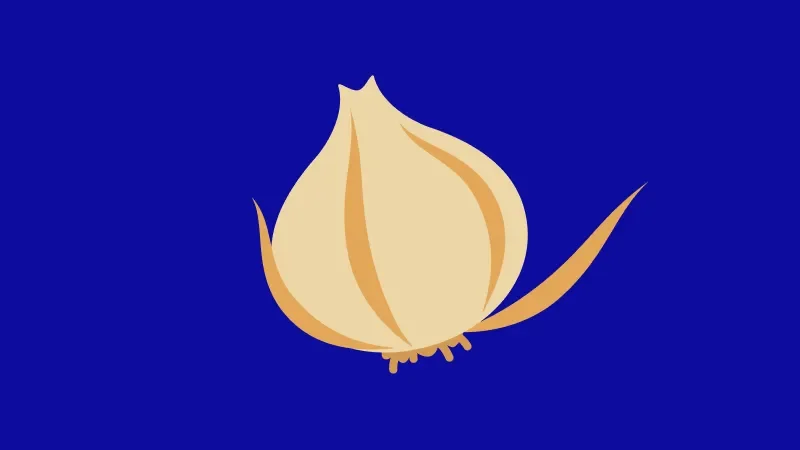
Interaction DesignThink about an onion. We peel away one layer and think, “Yep, this must be it.” Then we peel another layer and realise there is still more underneath. Each peel burns a little, first the eyes, then the heart. As you start learning the truth. Design ideas can work the same way.

When we start learning design, it is easy to become attached to our first idea. We think:
“This looks good, so why change it?”
We then spend most of our time making that one idea better instead of asking whether there could be a better solution. Classic example of
Design Fixation
Focusing too much on one solution and stopping exploration of other possibilities.
For example, imagine we are asked to design a homepage. We come up with one layout, like it, and immediately start choosing colours, fonts and images. After spending hours making it look good, we become less willing to consider a different layout, even if the first one has problems.
As beginners, this can happen because our first idea feels like an achievement. We have something to show, so changing it can feel like starting again.
A first idea is a starting point.
Not necessarily the best solution.
A useful habit is to create a few different ideas before deciding which one to develop. They do not have to be completely different or perfect. Even small changes in layout, structure or interaction can help us see the problem from another perspective.
The goal is not to create ten perfect designs. It is to give ourselves a chance to discover something better than our first idea.